
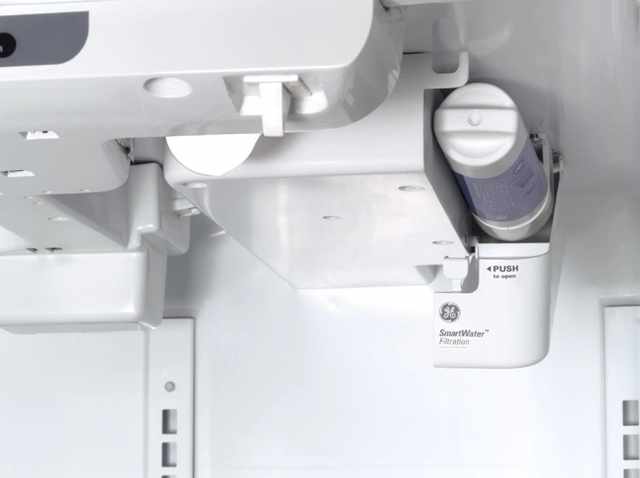
At a Glance
Clean, great-tasting water should be something you can count on every time you press a glass against the refrigerator dispenser. When your ice starts tasting stale, the water slows to a weak trickle, or the filter light stays on every time you open the door, it is usually a sign that a small maintenance task has been put off for too long. Your refrigerator water filter plays a bigger role than many people realize, helping reduce unwanted tastes, odors, sediment, and other impurities before they reach your glass.
Replacing the filter on time also helps protect the refrigerator itself. A clogged or expired filter can restrict water flow, strain the ice maker, and leave mineral buildup inside the appliance’s internal water system. For homeowners who rely on filtered water and fresh ice every day, keeping up with this simple routine is one of the easiest ways to support better water quality and longer-lasting appliance performance.
Upgrade Your Kitchen Appliances
Find the perfect refrigerator with ice maker and water dispenser with local expert advice.
Explore RefrigeratorsKey Takeaways
- The Six-Month Rule: Manufacturers universally advise replacing your filter every six months or after dispensing 200 gallons of water.
- Clear Warning Signs: A noticeable drop in dispenser pressure or foul-tasting ice cubes indicate a clogged carbon block.
- Mechanical Protection: Swapping out old filters prevents hard water scale from destroying your internal plumbing and ice maker components.
The Standard Timeline for Your Refrigerator Water Filter
Most manufacturers recommend changing your appliance water filtration component every six months. This standard timeline also equates to filtering roughly 200 to 300 gallons of water for a typical household. Sticking to this schedule guarantees that your family always has access to fresh, clean drinking water.
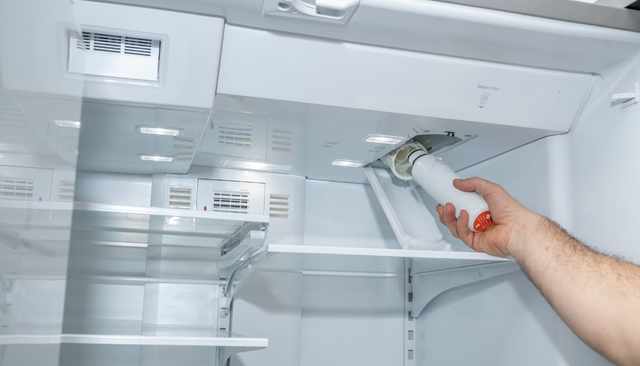
The science behind this timeline involves the activated carbon block located inside the plastic casing. This carbon degrades over time and slowly loses its ability to trap harmful microscopic contaminants. Even if your household rarely uses the dispenser, sitting water continues to degrade the filter medium over time. You still need to follow the six-month rule to prevent stagnant water from causing issues inside the housing.
Your household size can also affect how closely you should follow the six-month timeline. A family that fills water bottles every morning, makes daily ice, and uses the dispenser for cooking may reach the gallon limit faster than a single-person household. Homes with hard water may also notice reduced flow sooner because minerals collect inside the filter. If your water starts tasting off before the six-month mark, it is better to replace the fridge filter early than keep pushing water through a clogged cartridge.
Variations to Consider
When figuring out how often to change water filter in fridge systems, it helps to look at the specific brand guidelines.
- Brand Specifics: A Samsung refrigerator water filter or a Whirlpool fridge filter will both operate on the same six-month degradation cycle.
- Filter Quality: Choosing an OEM vs aftermarket water filter impacts the density of the carbon block, though the basic replacement timeline remains identical.
- Water Conditions: Homes needing a heavy-duty hard water fridge filter might actually need replacements slightly earlier than six months due to heavy mineral collection.
How to Know When Your Fridge Needs a New Water Filter
Waiting for a total appliance breakdown is never a good strategy for home maintenance. You can easily spot the physical signs you need to change refrigerator water filter components by paying close attention to your dispenser. Recognizing these early symptoms helps you schedule a replacement fridge filter swap before major plumbing damage occurs.
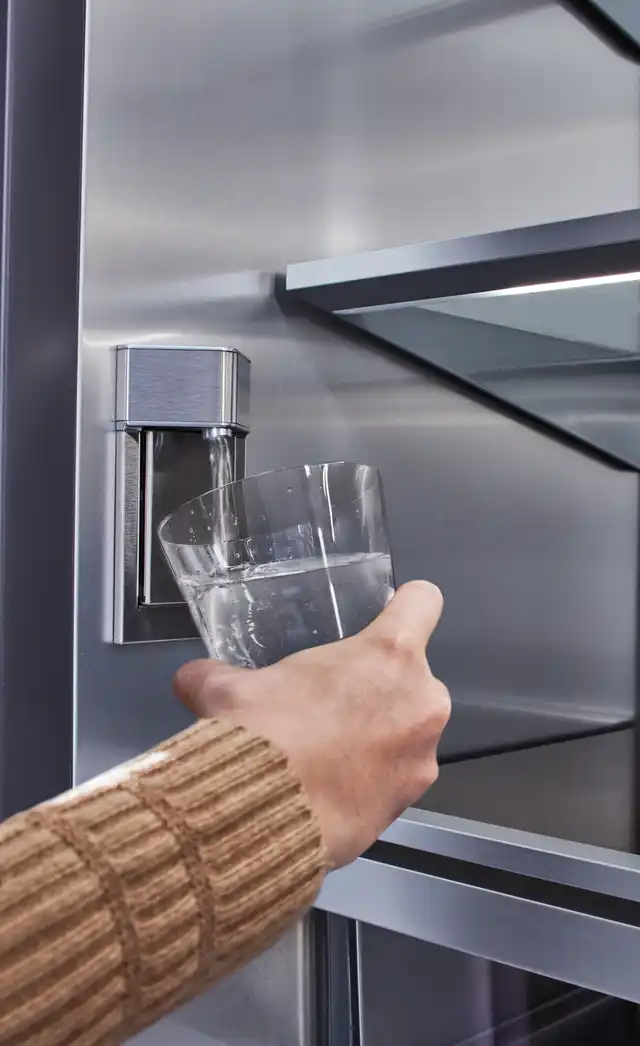
The most obvious sign of a dying unit is a sudden drop in water pressure when you press your glass against the dispenser paddle. You might also notice that your ice cubes look much smaller than normal or have developed a cloudy, white appearance. If your drinking water suddenly carries a metallic or highly chlorinated taste, the carbon block has stopped working entirely.
Ice quality can be another easy clue. Fresh ice should look clean, smell neutral, and taste like the water you expect from your dispenser. If the ice starts absorbing stale freezer odors, looks cloudy all the time, or melts into water with an unpleasant aftertaste, the filter may no longer be doing its job. These small warning signs are easy to ignore, but they are often the earliest signs you need to change refrigerator water filter components before they affect the appliance more seriously. Choose a modern refrigerator with a built-in water filter indicator light that turns red or orange when the six-month timer expires.
What Happens If You Do Not Replace Your Refrigerator Water Filter?
Ignoring the manufacturer's replacement timeline leads to several serious problems for both your health and your appliance. An old, saturated carbon block eventually becomes a breeding ground for harmful bacteria and black mold. When water forces its way through this contaminated block, you end up drinking unfiltered fridge water that actually carries more pollutants than the raw tap water.
Beyond the health risks, a clogged filter introduces severe mechanical risks to your expensive kitchen appliance. As our expert Blake explains in the video above, severe scale buildup easily damages the internal water lines. This hardened calcium restricts water flow and forces the ice maker pump to overwork until it burns out completely. Replacing a simple filter costs a few dollars, but replacing a burned-out ice maker requires an expensive professional repair bill.
How to Swap Out Your Old Fridge Filter and Reset the Light
Performing a refrigerator water filter replacement takes just a few minutes and requires absolutely no special tools. Most modern appliances use either a simple push-in mechanism located inside the top corner of the fresh food cabin or a twist-and-lock canister hidden down in the bottom base grille.
Choosing the Right Replacement Filter
Finding the correct refrigerator water filter starts with your refrigerator model number or the part number printed on the old filter. Most filters are designed for specific brands, sizes, and locking systems, so even a cartridge that looks similar may not seal correctly inside the housing. Using the wrong filter can lead to leaks, weak water flow, or filtration that does not match the appliance’s original performance standards.
Replacing the Refrigerator Water Filter
Follow these exact steps to replace your refrigerator water filter:
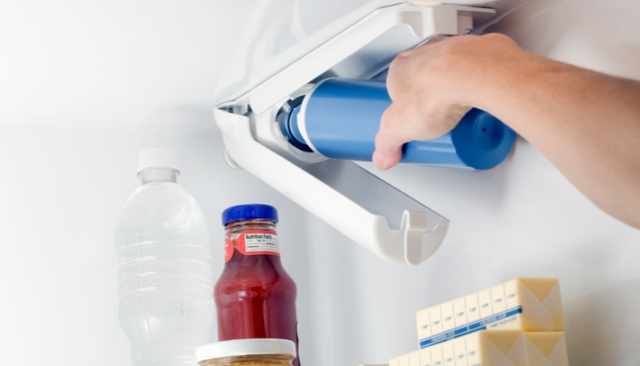
- Step 1: Locate the housing cover and twist the old canister counter-clockwise, or push the release button to eject the old unit.
- Step 2: Remove the protective cap from the new filter and align the arrows on the casing with the housing track.
- Step 3: Push the new unit firmly inward until it clicks, or twist it clockwise until it locks tightly into place.
- Step 4: Flush the new system by dispensing two to three gallons of water into a large pitcher to clear out any loose, harmless carbon dust.
Once you finish flushing the system, you must reset fridge water filter light alerts on your digital control panel. For a standard GE refrigerator filter or similar brand, simply press and hold the designated reset button for exactly three seconds until the red warning light turns green or disappears.
Upgrade Your Refrigerator with BlvdHome
Maintaining clean drinking water requires swapping out your carbon filter every six months or whenever you notice a drop in dispenser pressure. Staying on top of this simple maintenance task prevents harmful bacteria growth and protects your internal plumbing from destructive hard water scale. Visit BlvdHome to find the exact replacement parts and premium kitchen upgrades you need to keep your home running perfectly. Our family-owned business brings a proud 90-year legacy of customer service to our expansive showroom locations across Utah and Nevada, offering the expert guidance that big-box retailers simply cannot match.
Refrigerator Water Filter FAQs
No, you cannot clean and reuse an old filter because the internal activated carbon permanently traps microscopic contaminants and eventually becomes completely saturated. Trying to rinse it out only pushes trapped bacteria further into the material and compromises your drinking water.
No, different appliance brands and specific models require completely different shapes, sizes, and locking mechanisms for their filtration systems. You must match the exact part number recommended by your manufacturer to prevent severe internal water leaks.
If you never change the component, the internal carbon block becomes clogged with hard minerals, bacteria, and mold spores. This severe blockage restricts water flow to the ice maker, potentially causing the internal pump to burn out and fail completely.
Yes, it is generally safe to drink the water for a few days after the light first turns on, as the alert is simply a six-month timer rather than a contamination sensor. However, you should swap the unit quickly before the carbon block begins releasing trapped particles back into your cup.
You can find the correct part number printed directly on the side of your existing filter canister or listed inside your original owner's manual. Typing your refrigerator's master model number into the manufacturer's website will also identify the exact replacement part required.
Cloudy water immediately following a replacement is completely normal and is caused by harmless micro-bubbles of trapped air escaping the new carbon block. Running two to three gallons of water through the dispenser will flush out this excess air and any loose carbon dust.
Why Trust BlvdHome?
The roots of this family business began as early as the pioneer settlement of Southern Utah. One descendant of those 1861 pioneers was Lester Wittwer. In 1928, he started a trucking business with other family members, delivering homegrown fruits and vegetables to many outlying areas. The story of BlvdHome began in 1974 when Lester’s son Tony decided to venture off into the furniture world - with two full-time employees and a small showroom of only 8,000 square feet. Today, BlvdHome has 5 retail locations with over 160,000 sq. ft. of showroom space, located in St. George, Utah, Hurricane, Utah, Cedar City, Utah, Mesquite, Nevada, and a new Las Vegas location. With over 230 amazing team members, BlvdHome continues to deliver on a commitment to customer service that started over 90 years ago.
Shop Refrigerators at BlvdHome
At BlvdHome, we provide quality name-brand appliances, furniture, and mattresses for great prices. Shop refrigerators online or visit us today at one of our locations in Utah or Nevada. In the meantime, browse our website to shop BlvdHome Bargain Barn and check out our flooring selections to increase your home value. More available than ever, our experts at BlvdHome are always happy to help you find a storage ottoman, whether you call us or use our online chat feature. Contact us today!
→ Learn More: What Does Ice Plus Do On LG Refrigerators?