

You buy a new refrigerator, plug it in, and stock it with a week's worth of groceries. Six months later, the digital control panel goes completely dark, the ice maker stops producing ice, and the milk spoils. Modern machines are incredibly complex and packed with delicate electronics. When they break, the resulting repair bills often shock homeowners. You need a reliable safety net to protect your hard-earned money.

Getting caught without coverage leaves you paying entirely out of pocket for expensive replacement parts and specialized diagnostic labor. A solid appliance warranty acts as a financial shield against unpredictable breakdowns. At BlvdHome, we guide you toward the right protection plans so you never have to worry about sudden, massive repair costs draining your budget.
Secure Your Appliance Investment Today
Protect your kitchen and laundry machines with reliable coverage backed by local service experts.
See Our ServicesThis guide outlines exactly what you need to know about protecting your investment before a breakdown happens:
- The core differences between standard insurance policies and mechanical failure coverage.
- Exactly which complex components, repairs, and labor your plan actually pays for.
- Hidden exclusions and common maintenance mistakes that immediately void your coverage.
What is an Appliance Warranty?
An appliance warranty is a formal agreement that covers the cost of parts and labor if your machine fails due to manufacturing defects. It is your primary line of defense against early mechanical failure. You spend thousands of dollars on a complete kitchen package, and you expect it to run perfectly. When a drive motor quits or a digital display shorts out, this agreement forces the manufacturer or the coverage provider to make it right. You do not have to absorb the cost of a factory error.

Many homeowners confuse this specific protection with their standard homeowners insurance policy. They are completely different products designed for different scenarios. Homeowners insurance covers peril-based damage. If a house fire destroys your gas range, or a burst overhead pipe floods your washing machine, your insurance steps in to replace the items. Insurance does not care if your dishwasher pump simply burns out from normal use. That is considered a mechanical breakdown. For spontaneous mechanical breakdowns, you rely entirely on your home appliance warranty.
Every new purchase starts with a manufacturer warranty straight out of the box. Sometimes called a factory warranty, this baseline coverage usually lasts for one full year. Brands cover the parts and labor required to fix defects that occurred during the manufacturing process. A standard GE appliance warranty, for example, typically covers the entire unit for the first twelve months. After that first year expires, you are completely on your own for any repairs. This timeline is exactly why an extended service plan is highly recommended for major household investments.
Modern technology makes this protection more important than ever before. Twenty years ago, washing machines used simple mechanical timer knobs that rarely broke. Today, appliances feature smart touch screens, Wi-Fi modules, and complex diagnostic sensors. These advanced digital parts are highly sensitive to daily wear and tear. Replacing a main computer board often costs hundreds of dollars. Knowing you have a home appliance protection plan allows you to budget effectively. Without it, a sudden repair bill throws your monthly finances into chaos.

Navigating these technical contract details gets confusing very quickly. You have to read the fine print to understand exactly when the factory coverage ends and when the extended plan begins. At BlvdHome, our team helps you decode these timelines on the showroom floor. We explain the exact coverage duration for every brand we carry. This upfront clarity helps secure your long-term satisfaction with every appliance you purchase.
What Does an Appliance Warranty Actually Cover
When a machine stops working, you want to know exactly what the appliance warranty will pay to fix. The good news is that most comprehensive plans cover the most expensive internal components that make the machine function. These components are the lifeblood of your machines. A modern refrigerator compressor alone can cost hundreds of dollars to replace. Your coverage absorbs the heavy hit of these major appliance repair costs.
A solid protection plan targets specific pain points based on the type of machine.
- Control Boards: Covers the expensive computer brains that dictate cycle times and temperature settings.
- Drive Motors: Pays to replace the heavy-duty motors that spin washer drums and power dishwasher pumps.
- Heating Elements: Replaces burnt-out electric coils in dryers and hidden bake elements in wall ovens.
- Sealed Systems: Covers the compressor, evaporator, and condenser coils that create cold air in refrigerators.
Coverage specifics vary slightly depending on the room. A kitchen appliance warranty heavily targets the complex components of refrigerators, ovens, and dishwashers. This means coverage for delicate dual-evaporator systems, convection fan motors, and electronic gas ignition modules. Laundry appliance protection focuses on heavy-duty mechanical parts because washers and dryers endure immense physical stress. Your plan covers the transmission, the drive belts, the agitator mechanisms, and the high-voltage dryer heating coils. If the machine cannot perform its primary job, the repair is generally covered.
You must understand the firm difference between functional coverage and cosmetic coverage. An appliance warranty only covers functional mechanical failure. If your oven will not heat to the set temperature, the plan pays to fix it. If your refrigerator door gets a deep scratch from a passing grocery cart, the plan pays nothing. The machine still keeps food perfectly cold. Functional issues affect performance, while cosmetic issues only affect appearance. Providers will always deny claims for scratches, dents, and peeling paint.
Service call fees also play a large role in how your protection plan operates on a practical level. When a trained technician drives to your home to diagnose a problem, that trip costs money. Technicians have to account for vehicle maintenance, gas, and travel time. Most extended plans require a small, set service call fee, typically around fifty to seventy-five dollars. Once that diagnostic fee is paid, the plan covers the rest of the parts and labor for that specific issue. This structure keeps your out-of-pocket expenses completely predictable.
Common Exclusions and What Is Not Covered
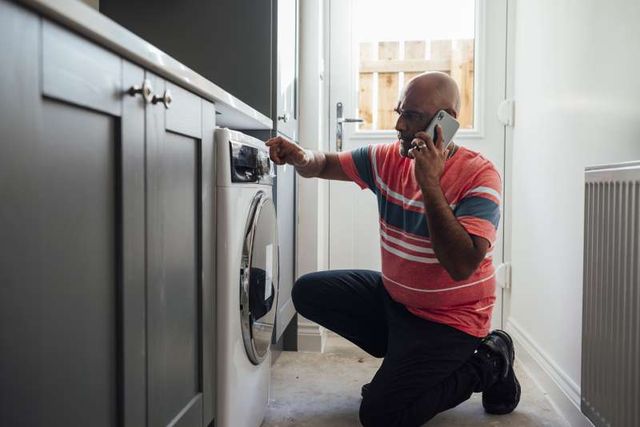
Even the most comprehensive appliance warranty has firm boundaries regarding what it will not cover. You will not find accidental damage coverage in a standard plan. If you drop a heavy cast-iron skillet and shatter your induction cooktop glass, you pay for the replacement. If a child hangs on the open oven door and snaps the metal hinges, that repair comes directly out of your pocket. Coverage only kicks in when the machine fails on its own due to normal use or factory defects.
Improper installation completely voids your coverage before you even run the first cycle. Machines must be installed according to the exact specifications outlined in the owner's manual. A common issue involves refrigerator clearances. A refrigerator requires a specific gap in the back and on top for proper airflow. If you shove the unit tight against the wall, the compressor overheats and dies prematurely. The manufacturer will deny the claim because the failure resulted from improper installation, not a defective part.
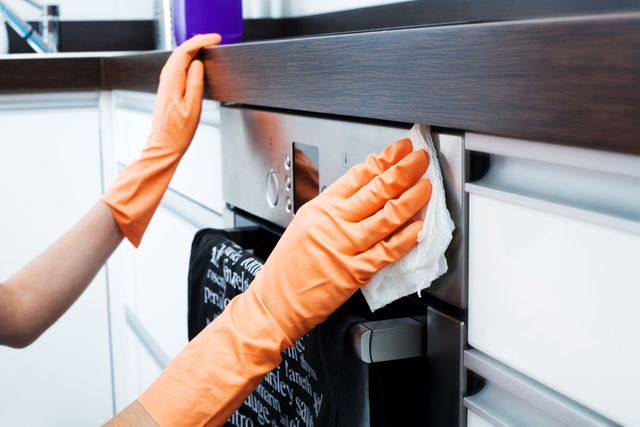
Failing to perform routine maintenance also jeopardizes your appliance warranty. You have to keep your machines reasonably clean. If your dryer vent is completely clogged with lint, the dryer has to work twice as hard to push exhaust air outside. Eventually, the thermal fuse blows or the motor simply burns out. The responding technician will note the heavily restricted vent. The coverage provider will reject the claim due to negligence. You must perform basic upkeep to keep the agreement valid. When diagnosing warm refrigerators, technicians often pull the unit forward to check the condenser coils. If the coils are buried in pet hair and dust, the compressor failure is blamed on lack of maintenance.
Always read the fine print regarding pre-existing conditions, especially when buying third-party plans for older units. A third-party provider will not cover a dishwasher that was already leaking before the contract started. Furthermore, environmental damage is universally excluded. If the bottom edge of your washing machine starts rusting due to a consistently damp laundry room environment, the plan will not replace the metal panel. The machine still washes clothes, so the provider considers the rust a non-functional issue.
Certain use cases also fall outside standard coverage. Residential units are engineered strictly for standard family use. If you run a busy home catering business and use a standard residential gas range for ten hours every single day, the manufacturer will void the coverage. The immense workload exceeds the intended design limits. Commercial use instantly invalidates a standard home plan.
Get Expert Guidance on Your Next Appliance Warranty at BlvdHome

Understanding your appliance warranty saves you from unexpected repair bills and highly frustrating service denials. Knowing the stark difference between peril-based insurance and mechanical failure coverage prepares you for the unexpected. Always perform routine maintenance, follow exact installation guidelines, and consider an extended plan to protect your home investments.
When you are ready to upgrade your kitchen or laundry room, trust the local experts at BlvdHome. We bring a proud 90-year history of serving Utah and Nevada with honesty and integrity. Unlike big-box retailers that just push boxes out the door, we provide personalized, expert showroom guidance to help you select the exact coverage you need. Our dedicated in-house professional service team stands ready to support you long after the sale is complete. Shop locally with BlvdHome today and experience a truly superior level of customer care.
Frequently Asked Questions About Your Appliance Warranty
A standard manufacturer appliance warranty typically lasts for one full year from the date of purchase. This baseline period covers all parts and labor needed to fix defects that happened on the assembly line.
An appliance warranty will not cover rust, scratches, dents, or any other cosmetic damage. The coverage only applies to internal mechanical failures that stop the unit from functioning properly.
A home warranty covers the major systems of an entire house, like plumbing, electrical, and HVAC systems. An appliance warranty isolates coverage to specific individual units like your refrigerator or washing machine.
An appliance warranty will pay for a full replacement only if the unit cannot be repaired or if the repair costs exceed the total value of the machine. The provider always attempts to replace the broken parts first before issuing a brand new product.
You can find out if your GE appliance is still under warranty by locating the model and serial number on the unit and checking it on the official brand website. You can also call the retailer where you purchased the machine to verify the exact purchase date.
Buying an extended service plan is generally better for major, highly technical units like modern refrigerators and front-load washers. One major control board failure often costs significantly more than the price of the protection plan itself.
Why Trust BlvdHome?
The roots of this family business began as early as the pioneer settlement of Southern Utah. One descendant of those 1861 pioneers was Lester Wittwer. In 1928, he started a trucking business with other family members, delivering homegrown fruits and vegetables to many outlying areas. The story of BlvdHome began in 1974 when Lester’s son Tony decided to venture off into the furniture world - with two full-time employees and a small showroom of only 8,000 square feet. Today, BlvdHome has 5 retail locations with over 160,000 sq. ft. of showroom space, located in St. George, Utah, Hurricane, Utah, Cedar City, Utah, Mesquite, Nevada, and a new Las Vegas location. With over 230 amazing team members, BlvdHome continues to deliver on a commitment to customer service that started over 90 years ago.
Shop Appliances at BlvdHome
At BlvdHome, we provide quality name-brand appliances, furniture, and mattresses for great prices. Shop appliances online or visit us today at one of our locations in Utah or Nevada. In the meantime, browse our website to shop BlvdHome Bargain Barn and check out our flooring selections to increase your home value. More available than ever, our experts at BlvdHome are always happy to help you understand your appliance warranty, whether you call us or use our online chat feature. Contact us today!